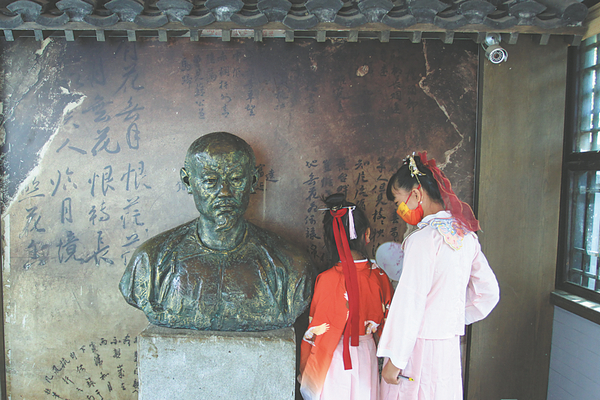
Cao Xueqin
曹雪芹
- 分类: 语言文学
- ID: 1859157960625491969
Home CategoryLiteratureCao XueqinPlay3 minsCao Xueqin (1715–1763) was a celebrated Qing Dynasty writer, famed for his novel Dream of the Red Chamber.ShareRelated Videos**Embarking on a marvelous journey into the Dream of the Red Chamber 00:06:55Dance: Red Chamber 00:04:00Flights of kites 00:07:32Catalogue1. Early Life and Family Background2. Dream of the Red Chamber3. Cultural Impact4. Influence on Traditional Arts
Early Life and Family Background
Cao Xueqin, born in 1715, was a renowned Chinese writer from the Qing Dynasty (1644-1911), primarily known for his literary masterpiece, Dream of the Red Chamber. The Cao family's prominence rose under the supervision of the Imperial Household Department, with Cao Xueqin's great-grandfather, Cao Xi, playing a notable role. Cao Xi's position as the superintendent of the Jiangning Imperial Silk Manufactory in Nanjing paved the way for the family's aristocratic status, a legacy continued by the subsequent generations, including Cao Xueqin's grandfather, Cao Yin.
Dream of the Red Chamber
Dream of the Red Chamber, also known as A Dream of Red Mansions, is regarded as one of China's Four Great Classical Novels. Written in the 18th century, the book captures the decline of the Jia family amidst the sociopolitical turbulence of the time. The novel is celebrated not only for its narrative depth and character complexity but also for its detailed depiction of Qing Dynasty society, from its customs and attire to its cuisine and social rituals. It also provides insights into the philosophical realms of Buddhism, Confucianism, and Taoism. The novel's influence has been profound, giving rise to a dedicated field of academic study known as Redology, which examines various aspects of the text and its historical context.
Cultural Impact
Cao Xueqin's Dream of the Red Chamber has transcended literature to influence various art forms, including opera, dance, and film. The San Francisco Opera debuted an operatic rendition, showcasing the novel's dramatic potential. Similarly, the National Ballet of China and other institutions have adapted the work into dance productions, resonating with audiences through diverse interpretations.
Cao Xueqin's legacy is preserved in numerous cultural and historical exhibits, such as those at the Prince Kung's Palace Museum and the Cao Xueqin Memorial Hall in Beijing. These venues not only honor his life and work but also serve as platforms for ongoing research and celebration of Dream of the Red Chamber. The novel continues to inspire adaptations and reinterpretations, including stage plays and culinary recreations that capture its rich narrative and cultural significance.
Influence on Traditional Arts
Beyond literature, Cao Xueqin's influence extends to traditional Chinese crafts, notably in kite making. His designs of swallow-shaped kites reflect the aesthetic preferences of the Qing Dynasty and have been preserved and celebrated by artisans to this day. This craft exemplifies the broader cultural impact of Cao's work, as it continues to be a source of inspiration and a symbol of Chinese heritage. Article reference1. Stage rehearsal: Dancers put new twist on a classic. chinadaily.com.cn. 20232. Dream of the Red Chamber and Prince Kung’s residence. en.pgm.org.cn. 20223. Swallow kite skills enjoy flight of popularity. en.chinaculture.org. 2022Photo Gallery(10 pictures)CategoriesLiteratureTagLiterary MastersRelatedGrain in EarLin DaiyuJia BaoyuThe Dream of the Red ChamberCatalogue1. Early Life and Family Background2. Dream of the Red Chamber3. Cultural Impact4. Influence on Traditional Arts- - - []








